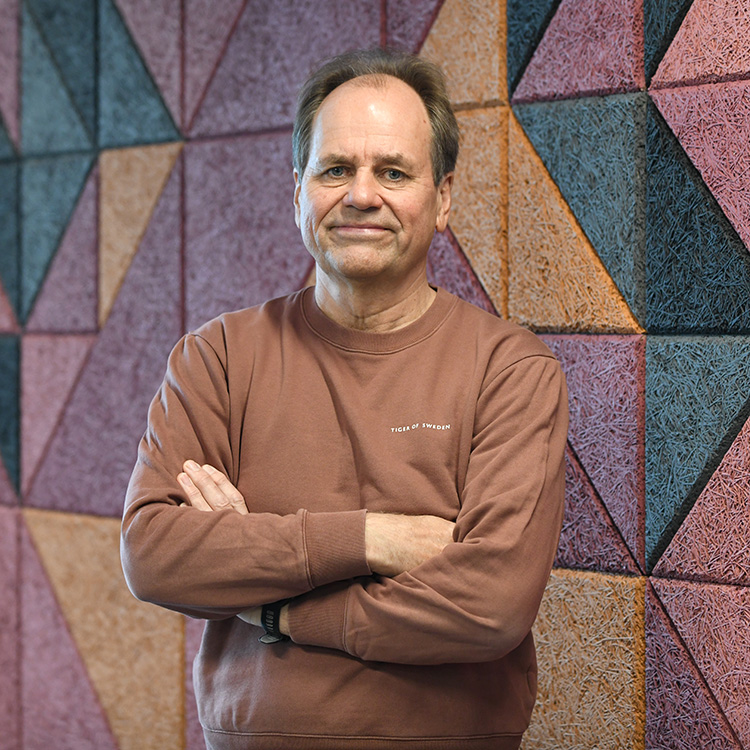
Major grant for Alexander Willén
The NHH professor has been awarded an ERC Starting Grant worth more than NOK 16 million from the European Research Council.

Why do we disagree so strongly about economic inequality and redistribution? Alexander W. Cappelen and Bertil Tungodden explore this question in a new comment article in Nature Human Behaviour.
Cappelen and Tungodden, both professors at the Department of Economics and the Centre of Excellence FAIR, were recently invited by Nature Human Behaviour to write about their research on meritocracy and the acceptance of inequality.
In ‘Meritocracy and inequality acceptance’, published on 21 September, they discuss why people who agree that income differences should reflect effort and achievement rather than luck or inherited privilege can nevertheless disagree strongly about how much inequality society should accept.
‘Meritocracy and inequality acceptance’
They point to one important reason: people may share the ideal that effort and achievement should be rewarded, while disagreeing about what actually lies behind economic inequality. Some believe that differences largely reflect effort, talent and individual choices, while others place greater emphasis on social background, luck and unequal opportunities.
Cappelen and Tungodden also discuss how inequality of opportunity challenges the meritocratic ideal, and how a better understanding of what creates economic disparities could contribute to a less polarised debate about fairness and redistribution.
Nature Human Behaviour comment articles