I suppose I fell a little bit in love with Norway!
Karianne Kies

A lost casino job sent Karianne Kies (31) from the Netherlands to Bergen and NHH. Now, she is making her mark at consulting giant PwC.
Who hasn’t toyed with the idea of working in another country? Cutting the ties to the familiar and comfortable, and throwing yourself into something new and exciting. For many, it remains a dream. For Karianne Kies, it became life-changing.
‘Life in Norway is very simple,’ says Kies.
She is sitting on a ruby-red sofa on the fifth floor of the recently renovated Sundt building in the heart of Bergen. Kies is making a brief stop at the offices of her employer, PwC. Day-to-day, however, she spends most of her time at Sparebanken Norge, just a few blocks away. She works as a data engineer, her title is «platform architect»
‘There’s so much happening right now with AI and technological development. It’s a lot of work, but it’s very exciting,’ says the naturalised Dutchwoman, whose CV is anything but ordinary.
I suppose I fell a little bit in love with Norway!
Karianne Kies
In 2020, she was working full-time as a croupier, better known as a blackjack dealer, at a casino in The Hague. But when the pandemic hit, both the casino and Kies were forced to fold their cards. What was she going to do next?
She had already considered moving to Norway. Back in 2018, she had spent a semester at NHH as an exchange student while completing a master’s degree in Strategic Management at Erasmus University Rotterdam.
‘I absolutely loved NHH, and I loved Bergen. I suppose I fell a little bit in love with Norway, too,’ she says.
Then one day, she simply made up her mind: I’m moving!
At the same time, she applied to NHH for her third (!) master’s degree, this time specialising in Business Analytics.
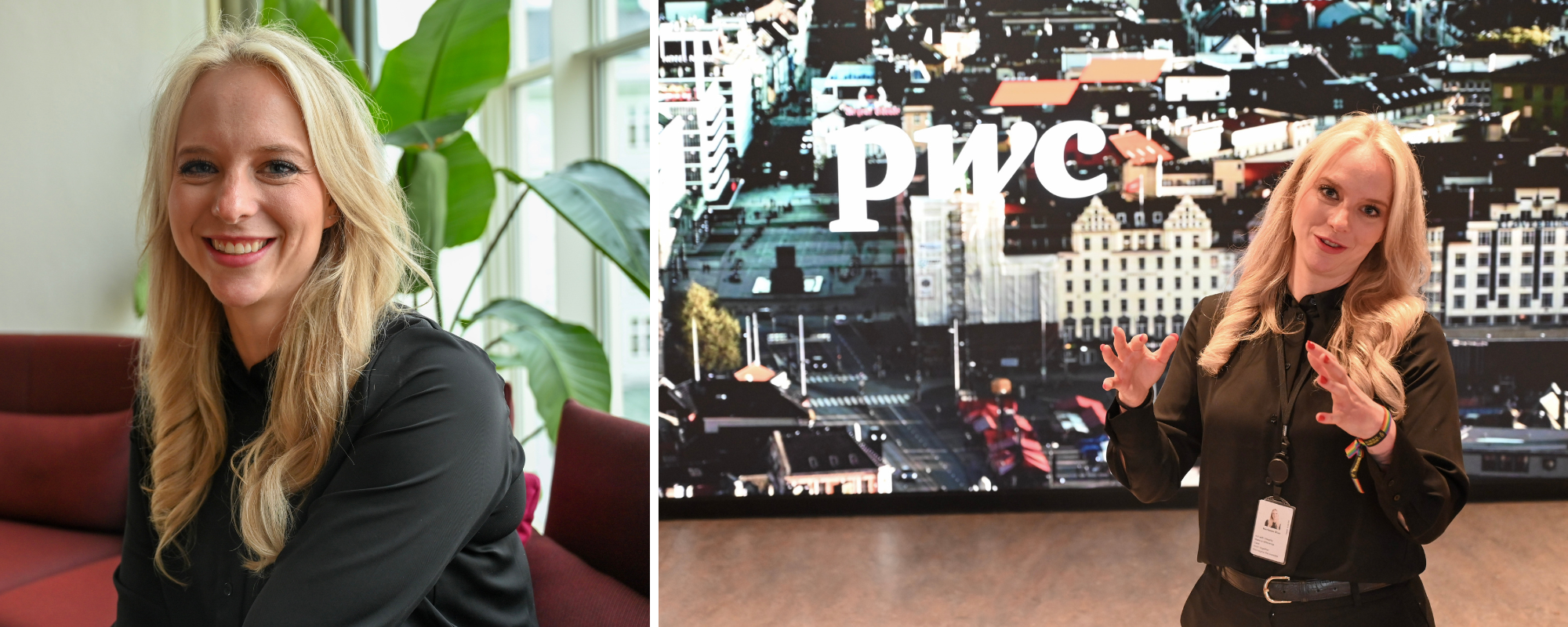
‘To me, NHH felt far more personal than universities in the Netherlands. It was easy to get to know people, and the lecturers spent more time teaching and explaining things to students. In the Netherlands, it often felt as if the focus was more on research than on passing knowledge on to students,’ she says.
Every year, many students follow in Kies’ footsteps.
‘If we are to educate graduates for an international labour market, we must also have an international campus. That is why the students who come to NHH from around the world are so important,’ says Vice Rector Steffen Juranek, who is originally from Germany himself.
‘International students make NHH better. They bring new perspectives, strengthen the learning environment, and make us more relevant in a globalised world,’ he adds.
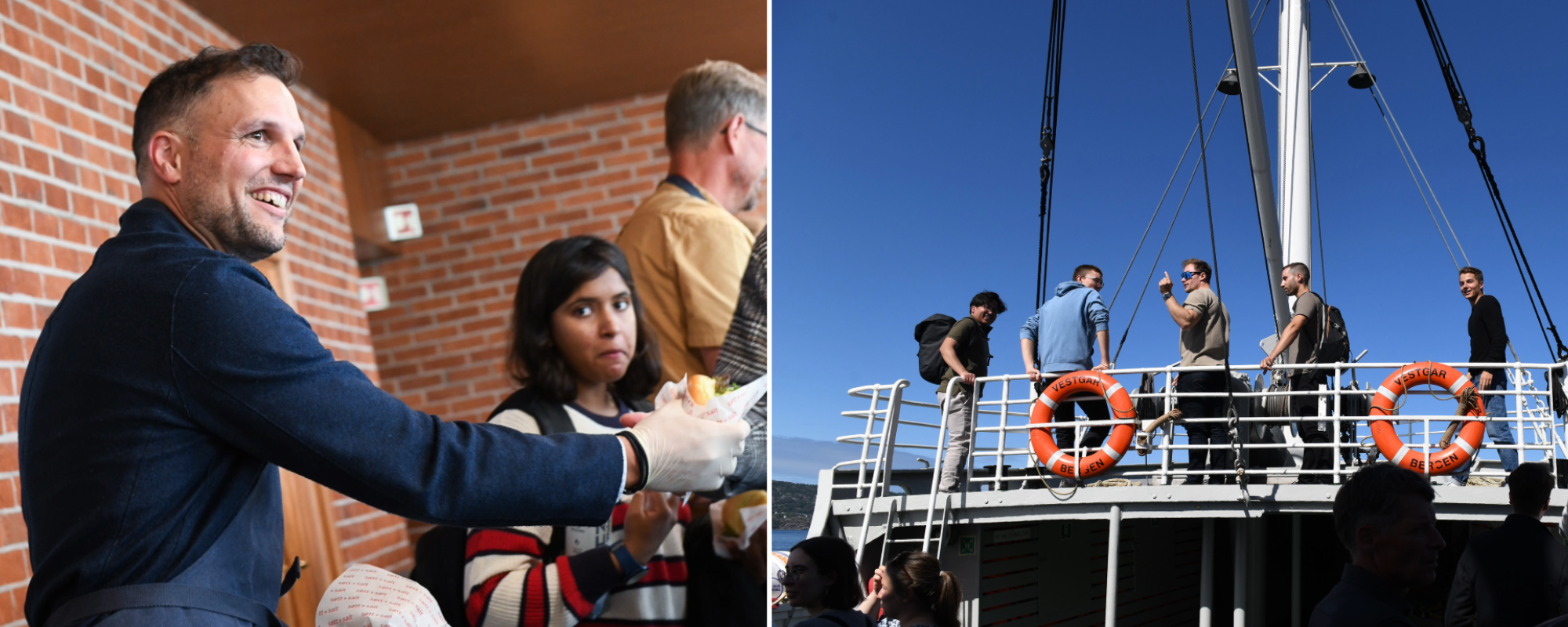
But once they have completed their degrees, where do these international students end up? No official figures exist on how many international students remain in Bergen after completing their degrees. But Karianne Kies suspects she is part of a small minority.
‘The biggest obstacle for many people is probably the cost of living. Norway is expensive,’ she says.
Still, she has managed well. She pays NOK 10,000 a month for a rented apartment with a small garden in the Marken neighbourhood. The location is priceless, she says, and it also illustrates what makes Bergen special.
‘In what other city can you be out in nature, up in the mountains, within five or ten minutes? That’s an incredible luxury.’
When she moved to Norway, she did not have a clear career plan. She figured things out as she went along. But one decision proved particularly important, she believes: learning Norwegian.
Kies took a language course at NHH, but apart from that, she learned Norwegian simply by throwing herself into conversations with people.
‘In the beginning, I volunteered at Solheim Church. It was a great way to practise. People were very patient. And Norwegians really appreciate the effort when you try.’
If you want to improve and develop professionally, you are supported and rewarded.
Karianne Kies
Even though English is the working language in her industry, much of the informal conversation still takes place in Norwegian.
‘It’s easier to get to know people and become part of the community when you speak the language.’
‘What advice would you give other international students who are considering staying in Norway after graduation?’
‘Get a part-time job while you are studying. Whether it’s in a restaurant, a café or somewhere else, that’s how you meet people.’
For Kies, a part-time position at a small recruitment agency became a direct gateway to a job at PwC. One boss knew another manager, which led to a conversation. Today, she can look back on four rewarding years with the company.
‘Building a network is important, especially in cities like Bergen. People often hire based on recommendations from people they know.’

When she left the Netherlands, several people back home were sceptical about her decision. Today, she regularly hears from friends, acquaintances and even people she barely knows who are considering trying their luck in Norway.
She understands why.
‘The culture here is much flatter. At work, I was given trust and responsibility from day one. If you want to improve and develop professionally, you are supported and rewarded. At the same time, there is a strong focus on work–life balance and wellbeing,’ says Kies.
