What shapes our opportunities?
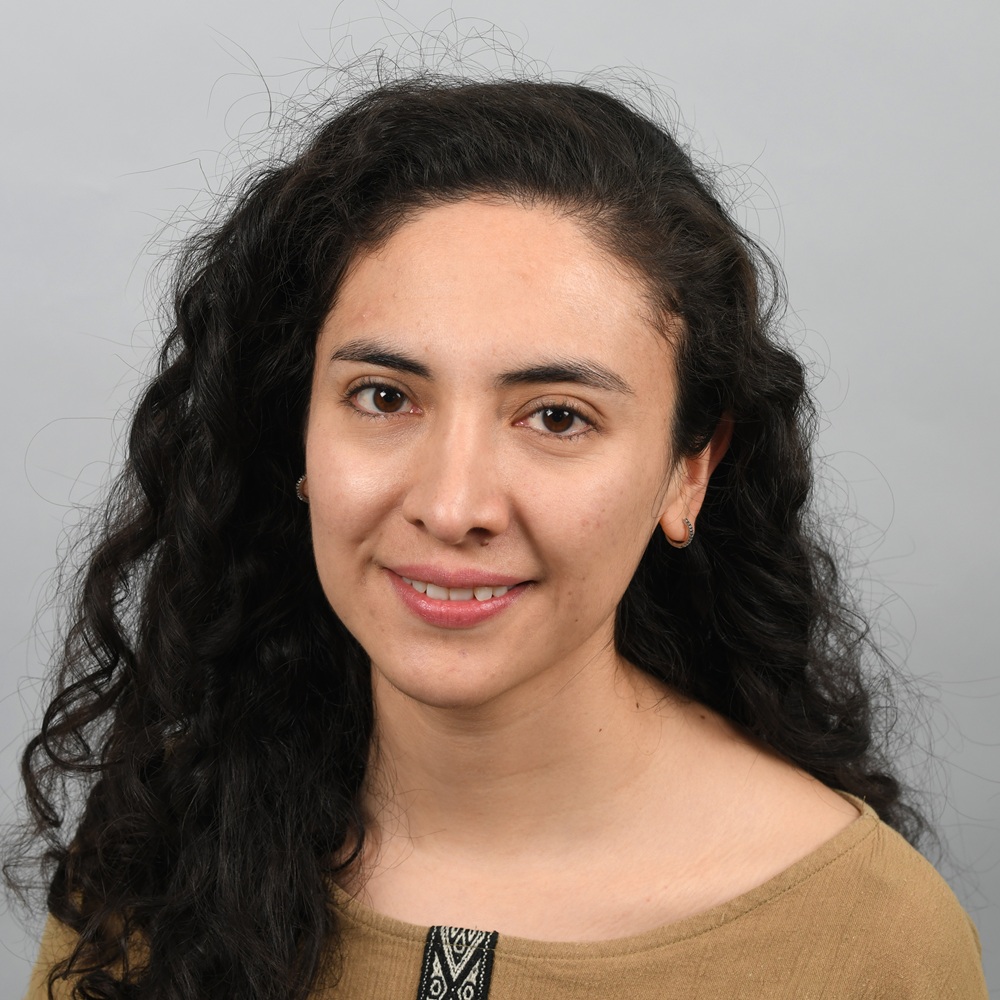
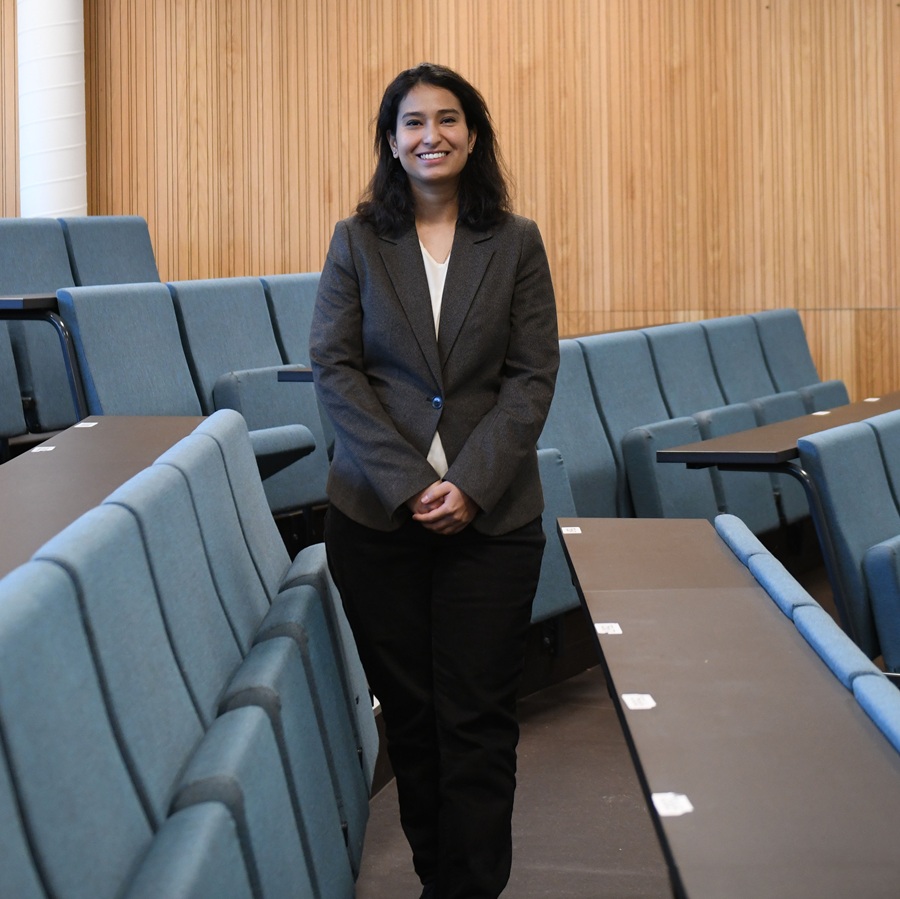
On Wednesday 26 August Erika T. Povea will hold a trial lecture on a prescribed topic and defend her thesis for the PhD degree at NHH.
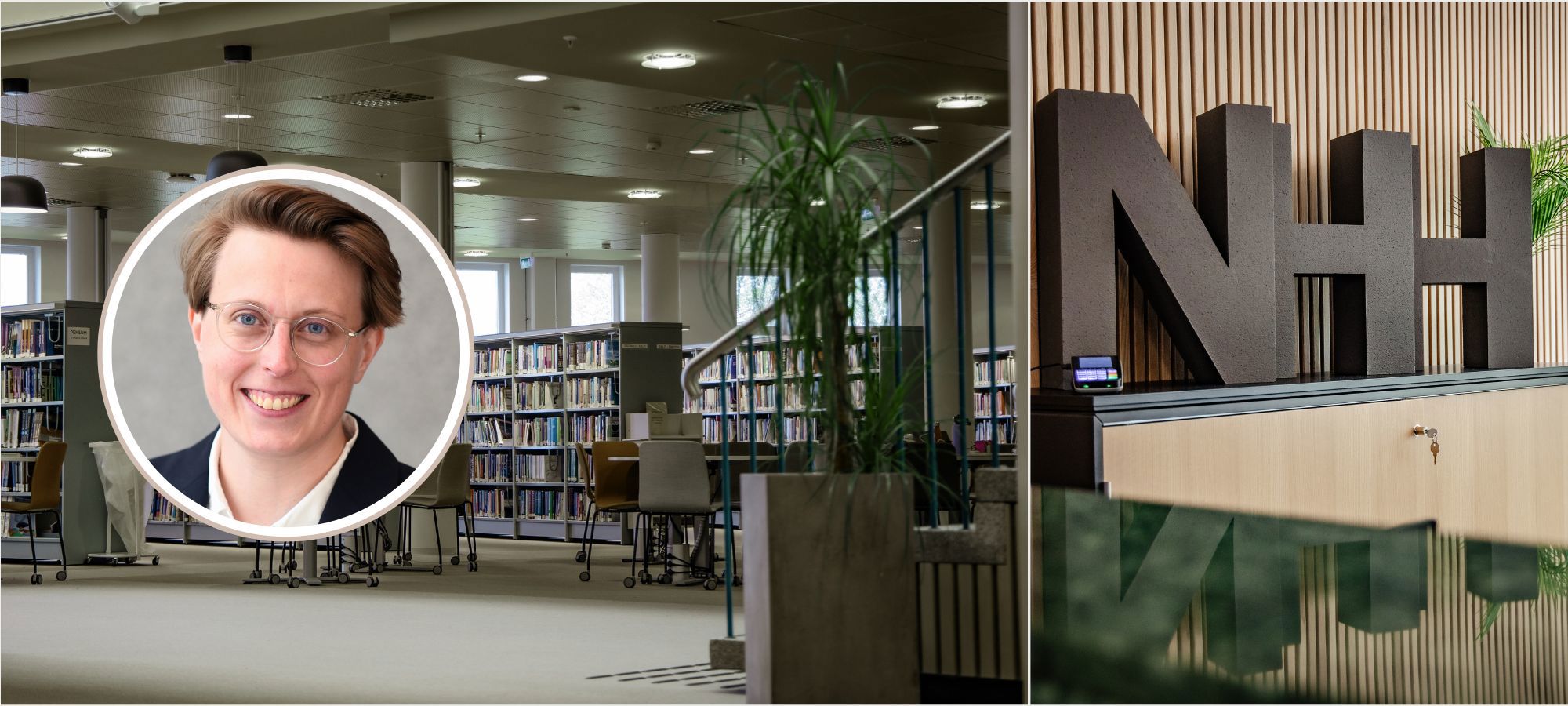
On Friday 4 September Marlis M. Schneider will hold a trial lecture on a prescribed topic and defend her thesis for the PhD degree at NHH.
«Essays on Belief Formation in the Family»
Parents shape their children and their development in many ways. One important pathway is through parental beliefs. Marlis M. Schneider’s thesis examines how parental beliefs are formed, communicated within families, and shaped by broader societal forces. It uses experimental methods and incentivized measures, drawing on data from field studies and a large-scale survey.
The first chapter uses a large-scale lab-in-the-field experiment in Norway to test whether parents process information about their children objectively. Schneider finds that parents assign substantial weight to positive signals about their child’s prosocial behavior but almost none to negative signals, particularly when these threaten parents’ self-image. In mathematics, parents respond similarly to positive and negative signals, suggesting more objective belief updating. These findings have important implications for how feedback is provided in education.
The second chapter examines how communication between parents and children shapes beliefs. The experiment varies whether parents can send their child a message about expected performance on verbal and mathematical tasks and whether it is shown before or after the tasks. Parents send more positive messages than their private beliefs imply, especially before the tasks, suggesting that they intend to motivate their child. Messages increase children’s confidence but not their performance. These findings highlight interpersonal communication as a novel channel of belief formation.
The third chapter examines how perceptions of children’s future economic mobility affect parental investments. In a large-scale survey experiment with U.S. parents, Schneider and her co-authors find that inducing a more positive outlook increases investment measures and optimism about their returns. The findings suggest that information about economic mobility can influence parental decisions, potentially with intergenerational consequences.
Together, the chapters provide new insights into the role of parental beliefs in family decision-making and children’s development.
«The Family Origins of Human Capital»
Karl Borch Aud, NHH. 10:15
Karl Borch Aud, NHH. 12:15
Professor Mathias Philip Ekström (chair of the committee), Department of Economics, NHH
Professor Silke Anger, Institute for Employment Research, Otto-Friedrich-Universität Bamberg
Associate Professor Ulf Zölitz, Department of Economics, University of Zurich
Professor Alexander W. Cappelen (main supervisor), Department of Economics, NHH
Professor Kjell G. Salvanes, Department of Economics, NHH