
Exciting potential for groceries in Asia
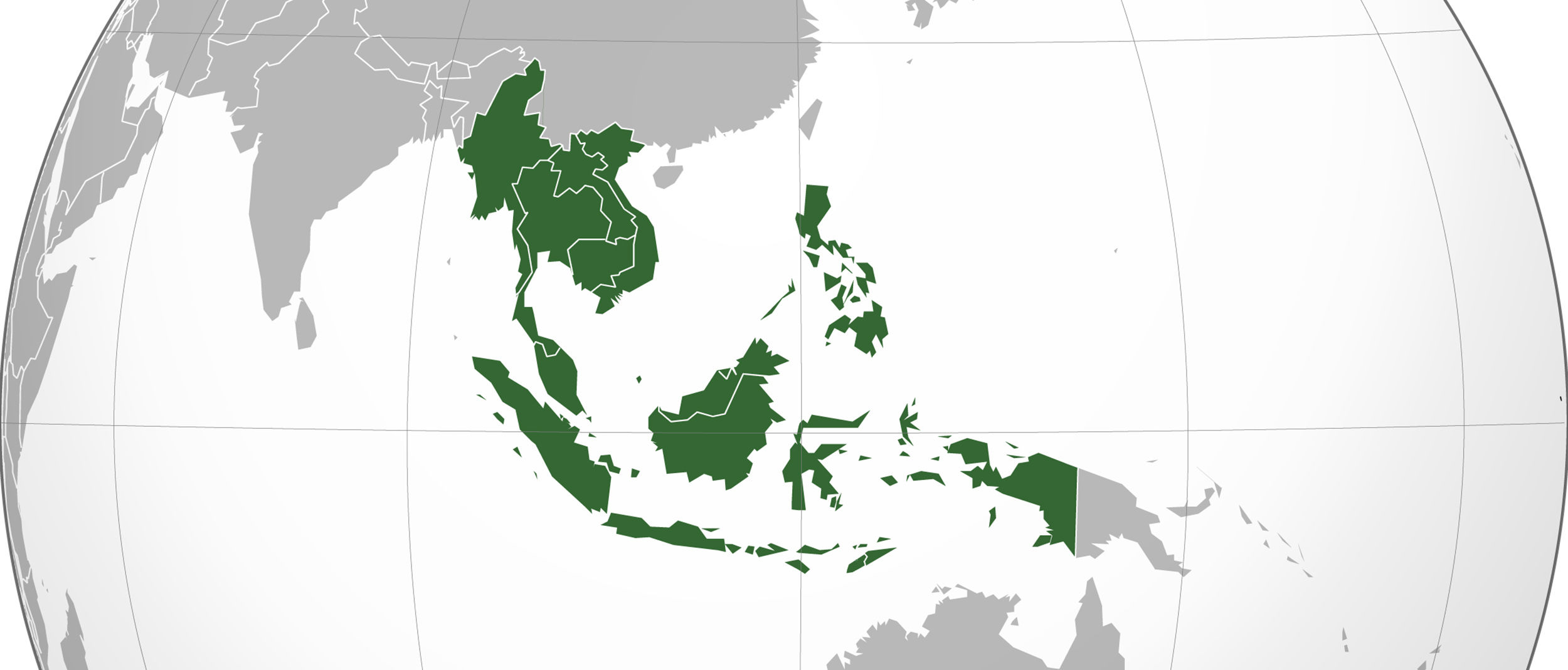
The Association of Southeast Asian Nations (ASEAN)* presents enormous potential growth opportunities for modern grocery players. The region’s more than 600 million people spend $200 billion on groceries each year, according to McKinsey, a consulting firm.
Traditional trade still represents two-thirds of the market, underscoring significant untapped potential for modern grocery retailers to expand their presence and capture a larger share of consumer spending.
The pandemic, digitalization, inflationary pressures, and new consumption patterns have created a region where traditional supermarkets are being squeezed from all sides, while convenience players and digital ecosystems are growing faster than ever.
The development is well documented in analyses from McKinsey, NielsenIQ and MarketLine – and together they paint a picture of a market in strong motion.
A market that is modernizing, but at different speeds
According to McKinsey, modern grocery formats in Southeast Asia have grown by 6-7 percent annually since 2019, driven by urbanization and a shift from traditional small stores to chain-based concepts.
Yet traditional retail still accounts for around two-thirds of the market in the region. This means that modernization is real, but far from complete.
In Indonesia, Vietnam and the Philippines, supermarkets and hypermarkets have strengthened their positions, while more mature markets such as Japan, South Korea and Singapore have seen stagnation and margin pressure.
China sets the pace and the standard
MarketLine estimates that the Asia Pacific grocery market is now worth USD 6.31 trillion, with a CAGR (compound annual growth rate) of 5.9 percent since 2019.
A full 61.6 percent of the volume comes from China. China has also been a driver of innovation in the region. Players such as JD Retail and Mei Tuan have made 30-minute delivery, AI-driven product flow, and integrated app systems new industry standards.
This has forced traditional chains to invest heavily in logistics, automation, and digital services.
The consumer: more price-conscious, less loyal
Nielsen IQ Shopper Trends 2024 shows that Asian consumers have become much more price-conscious after the pandemic.
Over 70 percent of customers in Vietnam and Thailand closely follow price changes. Over 80 percent of consumers in Korea, Singapore and Taiwan report clear price increases.
This has led to channel switching, increased campaign focus, and weaker loyalty. Hard discount and private labels are growing rapidly, while the premium segment is only holding its ground in large cities.
Omni Channel becomes the norm
McKinsey documents that Asian consumers now combine hypermarkets, supermarkets, online stores, express delivery, and traditional markets in the same shopping week. This makes the market more complex – and more exposed to competition.
The winners are those who manage to integrate physical retail, digital ordering, and logistics into one seamless ecosystem.
Conclusion
The last five years have made Asia the world's most dynamic grocery arena. Growth is strong, but unevenly distributed. China is setting the pace, Southeast Asia is rapidly modernizing, and consumers are becoming more price-conscious and channel-independent.
The winners of the future will be those who master logistics, digital innovation, and intelligent pricing strategies – and who manage to deliver “perceived value” in a market that is changing faster than any other region in the world, according to MarketLine Consulting.
In general, many experts believe that Asia, including China, Japan, and South Korea, represents some of the best grocery stores in the world, definitely worth a study visit.
*Brunei, Cambodia, Indonesia, Laos (Lao PDR), Malaysia, Myanmar, Philippines, Singapore, Thailand, Timor-Leste, Vietnam.